Formal-sector median monthly wage stands at RM3,027 in March
The median monthly wage among Malaysian formal employees was RM3,027 in March 2026, according to DOSM’s first-quarter formal-sector wages release.
Friday 23 Oct 2026 · Kuala Lumpur

Official data, investment flows, trade, property indicators and business conditions that help explain where Malaysia’s industries are moving.
The median monthly wage among Malaysian formal employees was RM3,027 in March 2026, according to DOSM’s first-quarter formal-sector wages release.
Malaysia’s current account remained in surplus in the second quarter of 2026 at RM10.766 billion, compared with RM15.157 billion in the first quarter, according to OpenDOSM’s…
DOSM’s second-quarter international investment position release reports net external assets of RM68.3 billion, compared with net liabilities of RM67.8 billion in the first quarter of 2026.
Malaysia's business confidence indicator returned to positive territory for the third quarter of 2026, reaching 5.9% after a negative 1.8% reading in the previous quarter, according…
Malaysia's non-seasonally adjusted retail trade volume index rose 4.1% from a year earlier to 193.5 points in July 2026, according to provisional figures from DOSM. The…
Malaysia’s economy expanded 6.0% year on year in the second quarter of 2026, compared with 5.4% in the first quarter, according to the Department of Statistics…
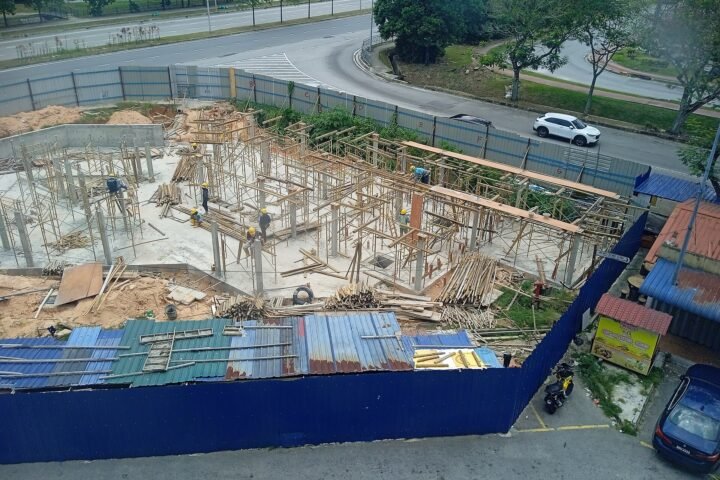
Malaysia recorded RM47.8 billion of construction work in the second quarter of 2026, an 8.8% increase from a year earlier, DOSM reported.
Malaysia’s headline inflation rate was 1.8% in July 2026, compared with 1.9% in June, according to DOSM’s Consumer Price Index release.
Malaysia approved RM218.5 billion of investments in the first six months of 2026. The headline number is large, but the more useful story is where the…
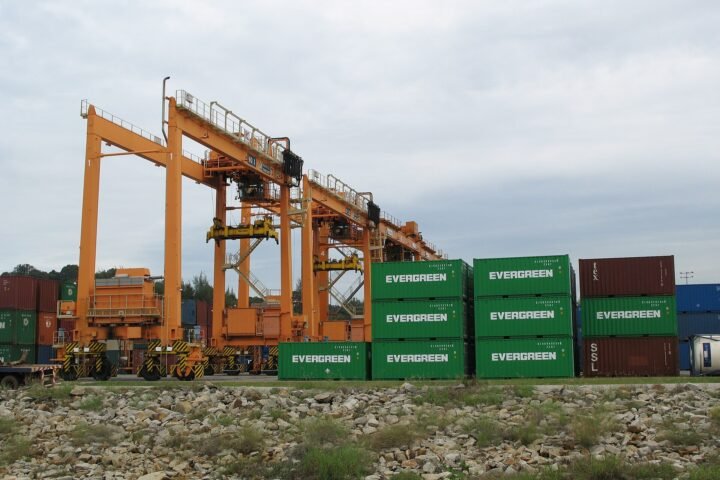
Malaysia recorded new monthly highs for trade, exports and imports in July 2026. Electrical and electronic products were the biggest force behind the surge, but the…
Property headlines often reduce the market to one national price number. NAPIC data allows a more disciplined reading by separating transactions, prices, launches, overhang, stock and…
Selangor and Johor together accounted for more than half of Malaysia's approved investment value in the first half of 2026, but the two states are attracting…
Malaysia entered the second half of 2026 with strong domestic demand, investment and exports, but the outlook still depends on a global environment shaped by trade…
The data-centre boom is changing more than the technology sector. It is influencing grid planning, industrial land, water management, fibre connectivity, renewable-energy demand and the type…
Malaysia's digital economy is broader than e-commerce. It now spans AI, cloud, data centres, fintech, cybersecurity, digital government, software, digital services and technology-enabled traditional industries.
“Property market up” and “property market down” are usually incomplete statements. Malaysia's market is fragmented by location, property type, price band and supply conditions, so a…
Malaysia wants to become a top-20 global startup ecosystem by 2030. Reaching that goal requires more than creating new companies: the ecosystem must help strong startups…
Malaysia has moved from discussing AI adoption to building policy, infrastructure and investment around an “AI Nation” ambition. The next phase will be decided by whether…
Malaysia's fintech market is no longer separate from the banking system. Digital banks, e-money, QR payments, merchant acquiring and regulated payment infrastructure are now part of…
After a surge of approvals, Malaysia's data-centre industry is entering a more selective phase in which power, water, sustainability and local economic value will matter more…
Focus on BNM outlook, trade, investment, property indicators, business conditions and sector-level market data. This section does not carry unlicensed real-time financial data or investment recommendations.
Malaysia has moved from discussing AI adoption to building policy, infrastructure and investment around an “AI Nation” ambition. The next phase will…
After a surge of approvals, Malaysia's data-centre industry is entering a more selective phase in which power, water, sustainability and local economic…