Malaysia Approved Investments Reach RM218.5 Billion in 1H 2026: What the Numbers Show
Malaysia approved RM218.5 billion of investments in the first six months of 2026. The headline number is large, but the more useful story is where the…
Friday 23 Oct 2026 · Kuala Lumpur

AI, digital economy, data centres, telecommunications, cybersecurity, fintech and enterprise technology across Malaysia.
Malaysia approved RM218.5 billion of investments in the first six months of 2026. The headline number is large, but the more useful story is where the…
Malaysia's manufacturing sector recorded RM177.3 billion in sales in July 2026, with electrical and electronics products again setting the pace. Export-oriented industries remained the largest contributor,…
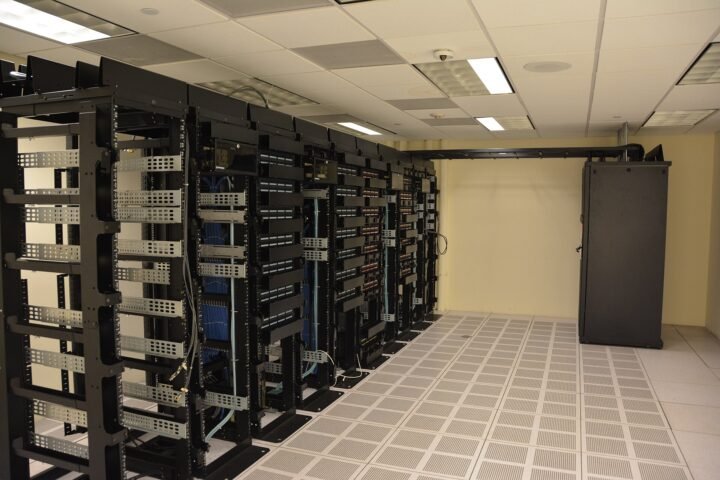
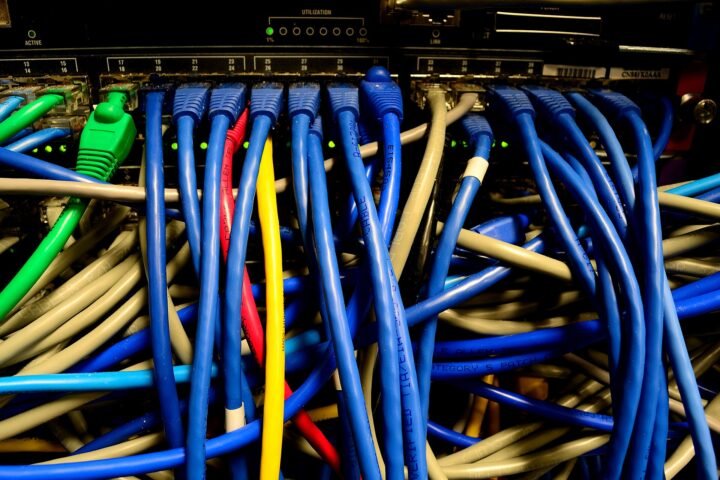
Data-centre and cloud-computing projects accounted for almost RM96 billion of Malaysia's approved investments in the first half of 2026. The scale shows how quickly digital infrastructure…
Electrical and electronics is not just another manufacturing category in Malaysia. It connects factory output, exports, approved investment, semiconductor policy and high-skilled employment - making it…
Malaysia recorded new monthly highs for trade, exports and imports in July 2026. Electrical and electronic products were the biggest force behind the surge, but the…
Selangor and Johor together accounted for more than half of Malaysia's approved investment value in the first half of 2026, but the two states are attracting…
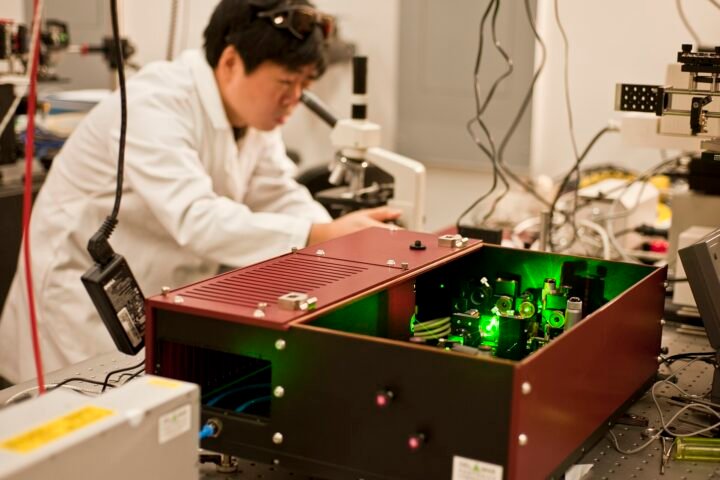
Malaysia built its semiconductor position on manufacturing, assembly and test. Its current strategy is to keep those strengths while adding IC design, advanced packaging, equipment, R&D…
Malaysia's National Semiconductor Strategy is designed to turn an established manufacturing base into a deeper technology ecosystem with stronger local companies, higher-value activities and more skilled…
Malaysia is often described as a semiconductor hub, but that phrase can hide what the country actually does. Its strength is built around a broad electronics…
The data-centre boom is changing more than the technology sector. It is influencing grid planning, industrial land, water management, fibre connectivity, renewable-energy demand and the type…
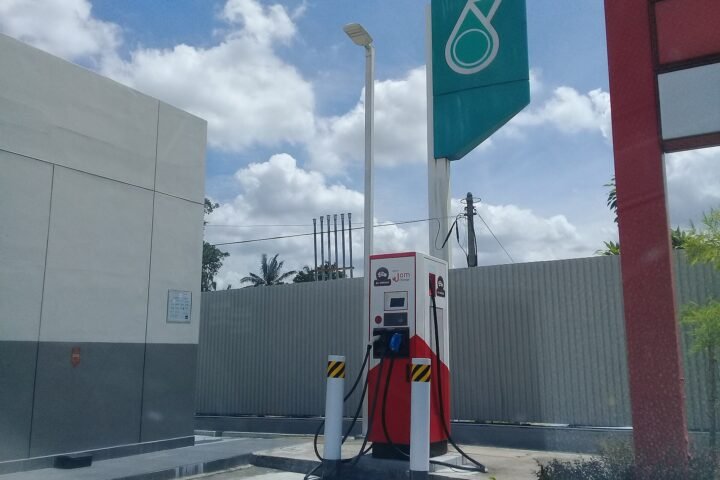
Malaysia's EV market is moving from an import-and-adoption story toward a broader industrial ecosystem involving local models, assembly, components, charging infrastructure and policy incentives.
Malaysia's MedTech ecosystem runs from components and precision manufacturing to regulated finished devices, software, digital health and post-market compliance. The next growth phase is about integrating…
Malaysia's digital economy is broader than e-commerce. It now spans AI, cloud, data centres, fintech, cybersecurity, digital government, software, digital services and technology-enabled traditional industries.
Malaysia's manufacturing economy combines export-heavy E&E with machinery, chemicals, transport equipment, food production and a growing focus on automation, complexity and higher-value jobs.
Malaysia wants to become a top-20 global startup ecosystem by 2030. Reaching that goal requires more than creating new companies: the ecosystem must help strong startups…
Malaysia has moved from discussing AI adoption to building policy, infrastructure and investment around an “AI Nation” ambition. The next phase will be decided by whether…
Malaysia's fintech market is no longer separate from the banking system. Digital banks, e-money, QR payments, merchant acquiring and regulated payment infrastructure are now part of…
Malaysia's energy story now has three simultaneous pressures: maintaining oil and gas security, accelerating the energy transition and meeting new electricity demand from data centres and…
Malaysia's semiconductor industry is benefiting from strong global electronics demand while pursuing a deliberate move into design, advanced packaging and equipment. The next phase is about…
Malaysia's MedTech opportunity is shifting toward design, software, connected care and more sophisticated regulation. The next phase will reward companies that combine manufacturing quality with product…
Malaysia has moved from discussing AI adoption to building policy, infrastructure and investment around an “AI Nation” ambition. The next phase will…
Malaysia's semiconductor industry is benefiting from strong global electronics demand while pursuing a deliberate move into design, advanced packaging and equipment. The…
Malaysia's MedTech opportunity is shifting toward design, software, connected care and more sophisticated regulation. The next phase will reward companies that combine…