The numbers keep pointing back to E&E
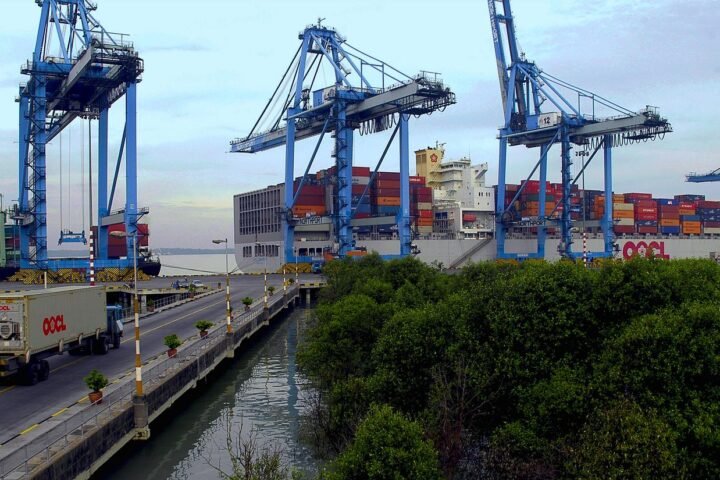
In July 2026, DOSM said the E&E products sub-sector grew 17.8% year on year and was the main driver of manufacturing sales growth. MATRADE separately reported E&E exports of RM95.65 billion in July, representing 49.4% of total exports and rising 51.0% from a year earlier.
MIDA's 1H 2026 investment data also placed E&E at the top of manufacturing industries, with RM16.6 billion in approved investments.
A long-established ecosystem
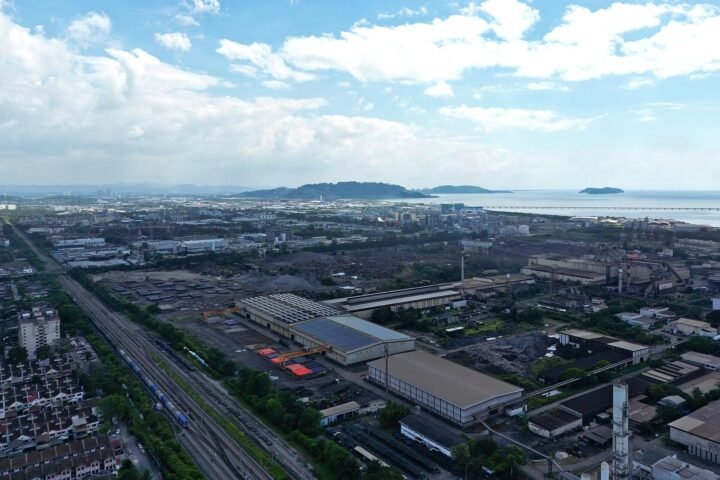
Malaysia has more than five decades of E&E manufacturing experience. MIDA traces the modern industry back to the 1970s, when early multinational semiconductor and electronics companies established operations in the country. Over time, that base expanded into packaging and testing, components, industrial electronics, equipment, engineering services and increasingly higher-value design and advanced manufacturing.
Why the sector matters beyond exports
E&E supports a wide network of local precision-engineering firms, automation providers, equipment suppliers, logistics companies and technical-service businesses. When global chip demand rises, the effect can spread beyond large multinational plants into Malaysian supplier ecosystems.
It also matters to the labour market. Malaysia's industrial policy increasingly focuses on engineering, R&D, automation and more complex manufacturing rather than competing mainly on lower-cost assembly.
The shift up the value chain
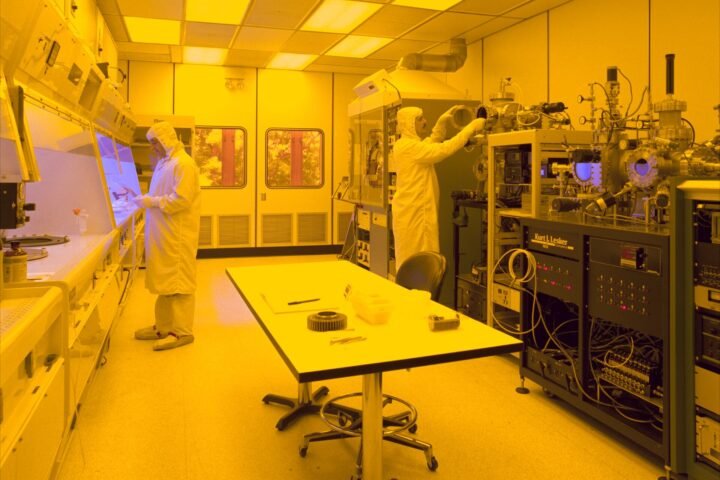
The national semiconductor agenda is designed to deepen activities such as IC design, advanced packaging and advanced equipment. That does not mean Malaysia is abandoning its assembly-and-test strengths. It means using those strengths as a base from which companies and talent can move into higher-value parts of the supply chain.
What to watch next
The most important indicators are not only export values. Watch the share of locally developed intellectual property, the number of Malaysian high-value suppliers, engineering and design jobs, front-end equipment activity, advanced packaging investments and how much R&D is embedded in local operations. E&E will remain central, but the quality of Malaysia's participation will define the next phase.