Growth was strong in the first half
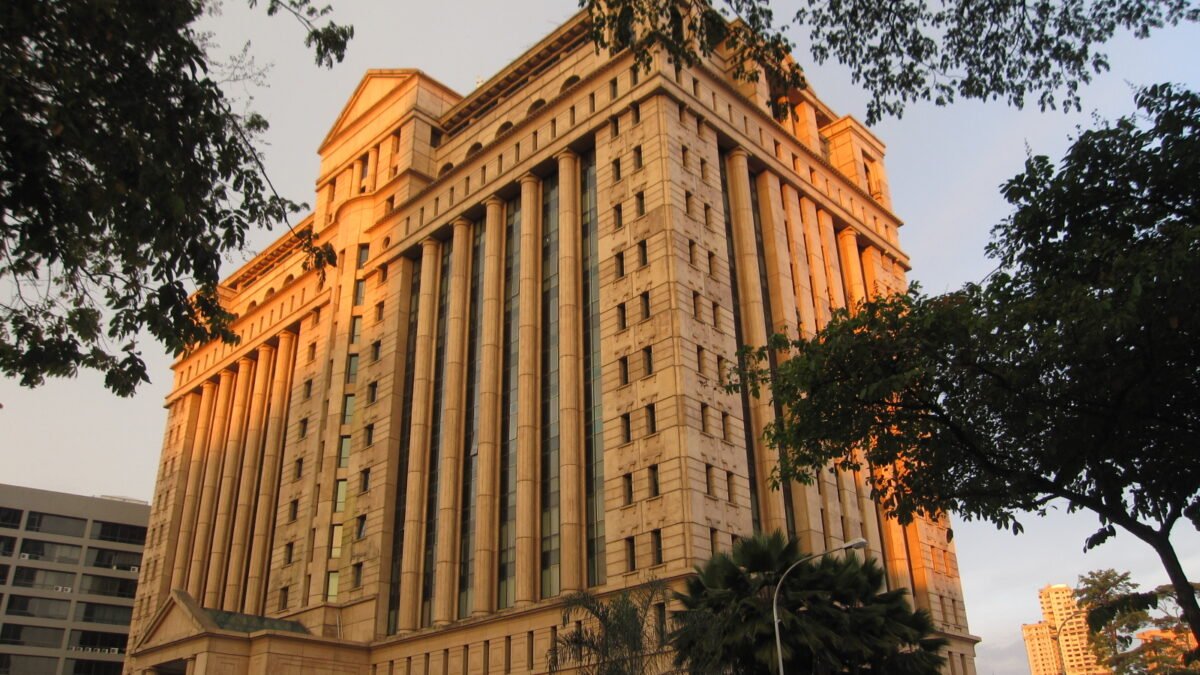
The Ministry of Finance said Malaysia's economy expanded 6.0% year on year in the second quarter of 2026 after 5.4% growth in the first quarter, bringing first-half growth to 5.7%. The government said resilient domestic demand and a strong external sector supported the performance.
Investment is another support
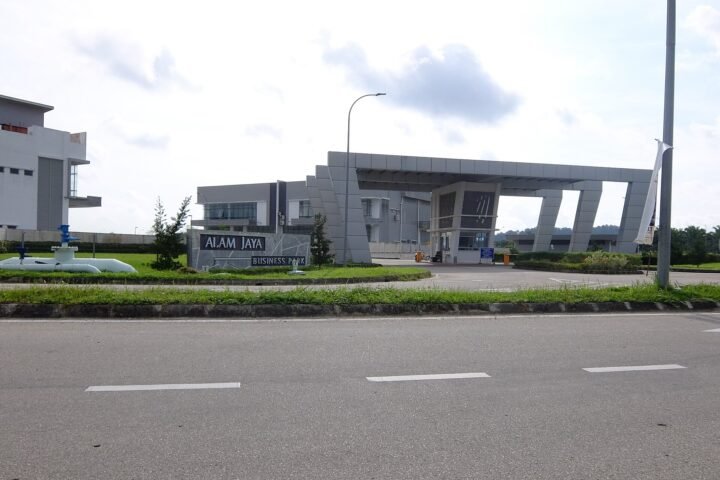
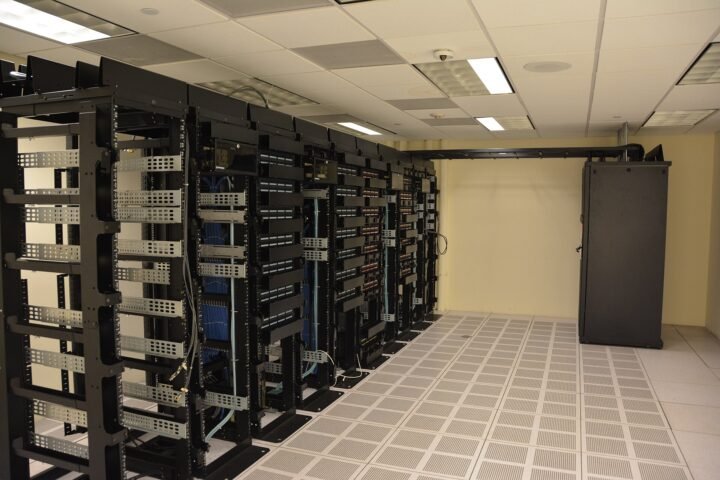
Approved investments reached RM218.5 billion in 1H 2026, according to MIDA. Services – especially digital infrastructure – represented the largest share, while manufacturing continued to generate most expected jobs from approved projects.
Exports have accelerated
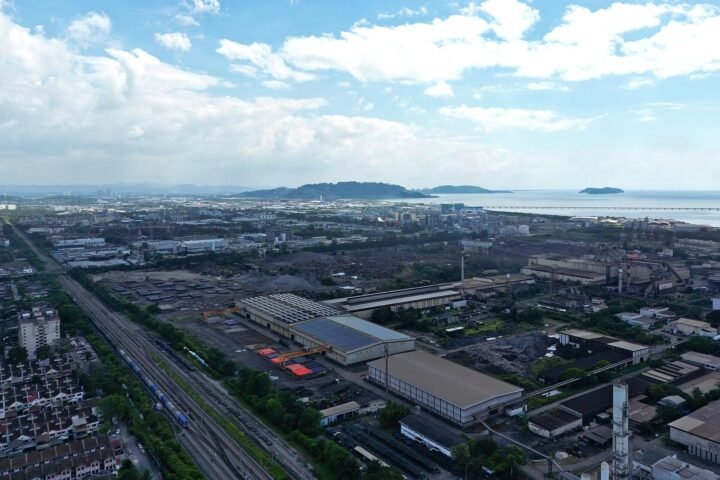
MATRADE reported record monthly trade, exports and imports in July, with E&E products driving a large share of the export growth. This is positive for Malaysia's manufacturing base, but it also increases exposure to the global semiconductor cycle and demand from major trading partners.
Domestic demand provides balance
Government policy for 2026 emphasises public and private expenditure, infrastructure implementation and services activity. A diversified domestic economy can cushion some external weakness, particularly when household spending, tourism and investment remain supportive.
Risks remain external and structural
Trade restrictions, geopolitical conflict, fuel prices and weaker global growth can affect exports, airline economics and business costs. At home, the key structural issue is whether large investment announcements translate into productivity, higher wages and stronger Malaysian supplier capabilities.
What to watch next
The most useful indicators for the remainder of 2026 are GDP composition, manufacturing sales, trade volumes, investment implementation, labour-market conditions, inflation, public-project execution and global semiconductor demand. The headline growth rate matters, but the durability and quality of growth matter more.