
The chip supply chain is not one factory
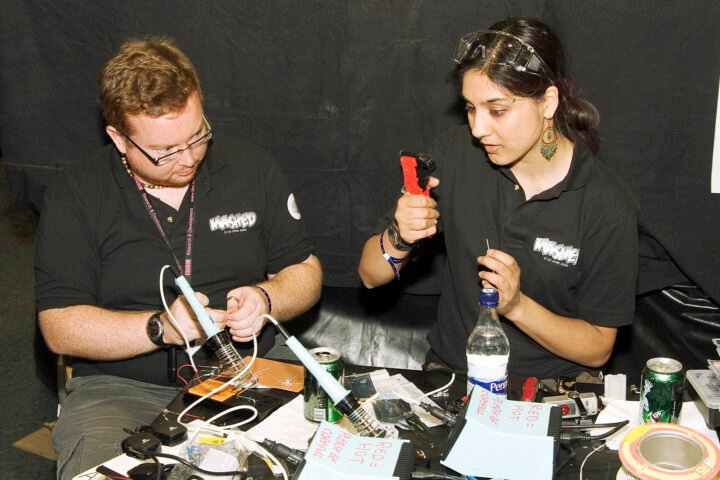
Modern semiconductors pass through multiple stages: design, wafer fabrication, assembly, packaging, testing, equipment, materials and distribution. Different countries specialise in different combinations of these stages. Malaysia's role has historically been strongest in back-end manufacturing, supported by a large E&E ecosystem.
Malaysia's established advantage
MIDA notes that major global semiconductor companies operate in Malaysia and that the E&E industry has developed over more than five decades. That longevity created manufacturing skills, industrial parks, suppliers, logistics and engineering experience that newer locations cannot build immediately.
Why assembly and test still matter
Back-end operations are essential to turning fabricated wafers into usable, reliable chips. As devices become more complex, packaging and testing can become more technically demanding rather than less important. Malaysia can therefore upgrade within areas where it already has scale.
Moving toward design, advanced packaging and equipment
Malaysia's semiconductor strategy aims to expand local participation in IC design, advanced packaging and advanced manufacturing equipment. These segments can deepen technical capability and create higher-value engineering roles while connecting to the existing manufacturing base.
The global context
Semiconductors are strategically important because they are used in AI infrastructure, vehicles, industrial automation, healthcare, communications and consumer devices. Geopolitical diversification is encouraging companies to build more resilient supply chains, creating opportunities for established manufacturing locations.
What to watch next
Malaysia's position should be judged by capability, not slogans: the complexity of products made locally, R&D spending, design activity, local equipment suppliers, engineering talent and the number of Malaysian companies winning global semiconductor business.