More affordable models broaden the market
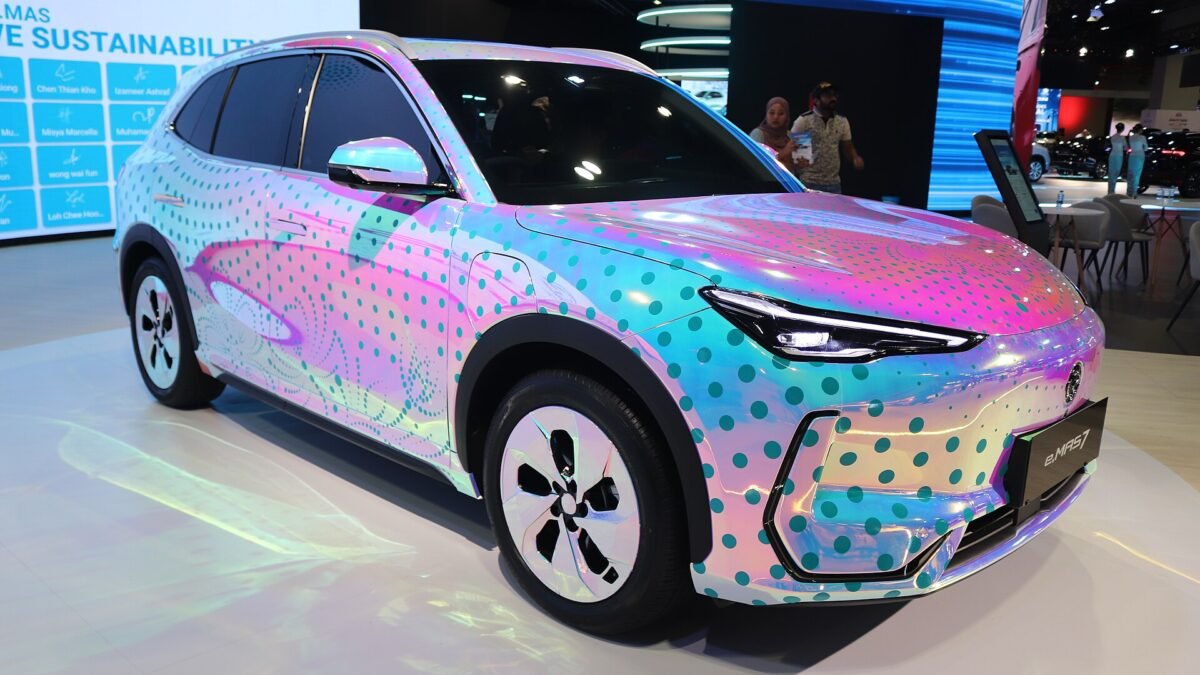
The entry of national brands and a wider range of EVs has reduced the category's dependence on premium imports. This makes price, financing and ownership cost more important than novelty.
Local production will be the central industrial test
Malaysia wants EV growth to support domestic manufacturing and regional exports. The important indicator is therefore not only registrations but how many vehicles and key components are assembled or manufactured locally.
Charging moves from rollout to reliability
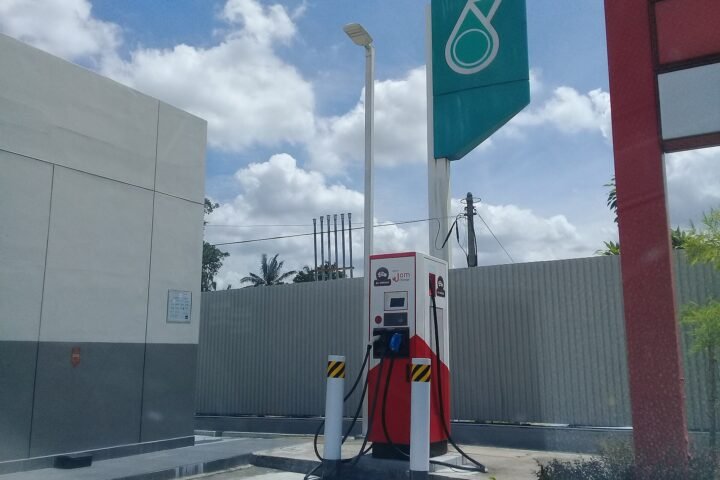
Early market development focused heavily on charger counts. The next phase will focus more on uptime, utilisation, pricing, payment interoperability, fast-charging availability and coverage along intercity routes and in dense urban areas.
The supply chain can expand
EVs use large amounts of electronics, power-management systems, software and specialised components. Malaysia's E&E base creates opportunities in power electronics, charging equipment and vehicle electronics, even where battery-cell production is not the dominant local activity.
Policy will become more targeted
As the market matures, broad tax support may give way to incentives tied more closely to localisation, technology, infrastructure or emissions outcomes. Manufacturers and consumers should therefore expect the policy mix to evolve.
What is next
Watch local output, exports, charger uptime, national-brand adoption, battery service ecosystems, resale values and fleet electrification. The market becomes durable when EV ownership works economically without relying only on early-stage incentives.