
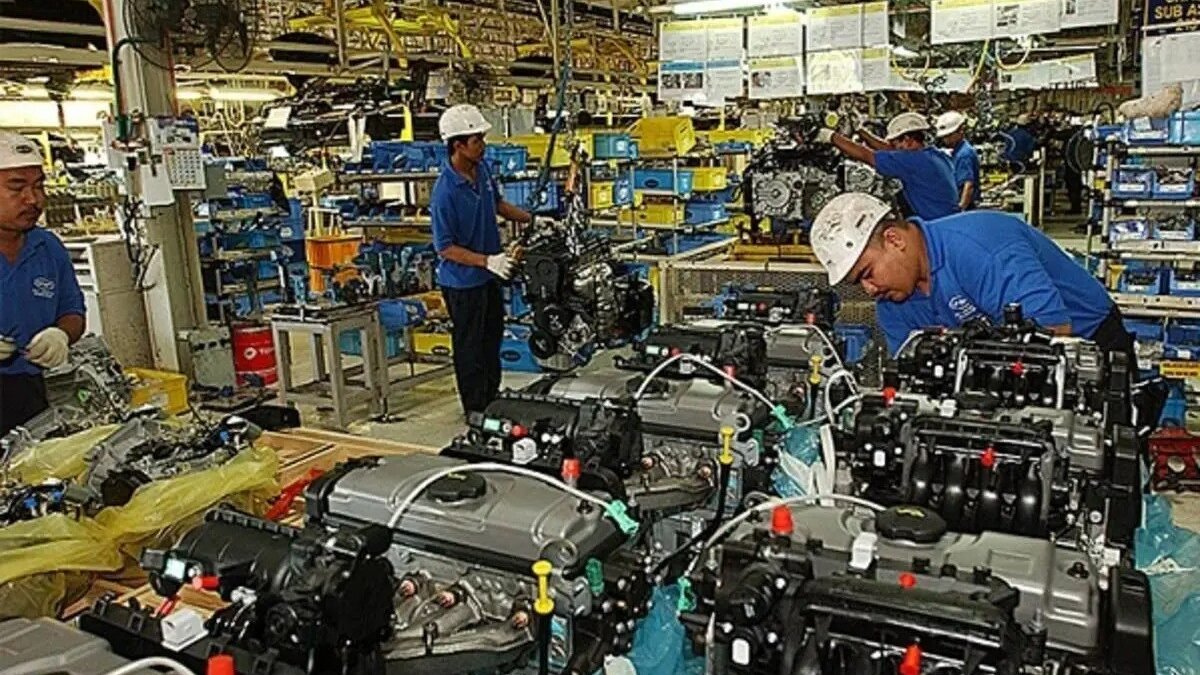
Malaysia approved RM218.5 billion in investments during the first half of 2026, an 11.7 per cent increase from the same period a year earlier, according to the Malaysian Investment Development Authority (MIDA). The approvals span 2,746 projects expected to generate more than 99,000 jobs, with foreign investment accounting for RM126.9 billion — or 58.1 per cent of the total. Budget 2027, tabled in October 2026, now directs a combined RM2.1 billion through three separate mechanisms to help domestic businesses convert that investment momentum into durable industrial capability.
The scale of approved investment reflects a broader reputational shift. Malaysia appeared on the main Kearney FDI Confidence Index for the first time since 2014, ranking 21st globally and rising from 11th to 7th among emerging markets in 2026. The index tracks where senior executives expect to direct capital over the next three years, signalling sustained interest in Malaysia as a destination for future investment. The more immediate question, raised by Kearney’s own Country Head for Malaysia, Keat Yap, writing in The Edge Malaysia on 16 October 2026, is whether local firms, infrastructure and workers are positioned to capture a meaningful share of the work those approvals generate.
What Budget 2027 Puts on the Table for Domestic Industry
The RM2.1 billion commitment is distributed across three funds targeting mid-tier and growth-stage Malaysian businesses:
| Funding Mechanism | Administering Body | Primary Focus |
|---|---|---|
| New Industrial Master Plan (NIMP) Fund | Government / NIMP framework | Industrial upgrading, electronics, aerospace, digital technology |
| Dana Pemacu | KWAP (public-sector pension fund) | Growth capital for mid-tier companies |
| Khazanah Nasional fund for mid-tier companies | Khazanah Nasional | Scaling Malaysian firms in strategic sectors |
Beyond direct financing, the budget includes relocation tax deductions of up to RM5 million for eligible Malaysian-owned automotive vendors that move to Tanjong Malim, an incentive designed to cluster local suppliers closer to major manufacturing operations. It also allocates RM8 billion in Technical and Vocational Education and Training (TVET) funding across ministries — a figure framed against the 13th Malaysia Plan’s estimate that manufacturing and related services will require 700,000 skilled workers by 2030.
A parallel policy shift is also relevant context. Malaysia’s New Incentive Framework for manufacturing, introduced in March 2026, shifted emphasis from input-based incentives towards outcomes: high-value employment creation, technology upgrading and domestic supply-chain linkages. Budget 2027 extends a similar logic to government-linked company procurement under Bumiputera business measures, with vendor assessment criteria updated to track company growth, innovation and entry into new markets — moving beyond contract-fulfilment as the sole measure of performance.
The Gap Between Approval and Production
Investment approval figures capture the value of projects greenlit, not output delivered. MIDA data shows that 87 per cent of manufacturing projects approved between 2021 and June 2026 had reached some stage of implementation by August 2026 — a meaningful realisation rate, but one that underscores the operational work that follows a headline approval. Projects moving from approval to production depend on local supplier readiness, infrastructure reliability and workforce availability at the point those facilities begin operations.
The automotive cluster incentive at Tanjong Malim addresses one dimension of this directly: encouraging suppliers to co-locate with anchor manufacturers reduces logistics friction and positions local firms to respond faster to production ramp-ups. The broader principle — shortening the distance between investors and their domestic supply chains, literally and commercially — applies across the electronics and aerospace sectors that the NIMP Fund targets.
Qualification, Repeat Orders and Moving Up the Value Chain
Access to capital and proximity to investors does not automatically translate into multinational supply-chain entry. Large manufacturers maintain established vendor lists, approved technologies and existing supplier relationships that make qualification a time-consuming process even for technically capable local firms. Budget 2027’s export-support and financing measures can help domestic businesses expand, but securing and retaining multinational customers depends on demonstrating reliable delivery and passing customer-specific approval processes.
MIDA’s #InvestLokal agenda aims to close some of this gap by brokering links between high-value investors and Malaysian companies at an earlier stage of project development. The argument made by Kearney’s Yap is that involving anchor investors in supplier development before qualification — rather than after — gives local firms time to understand technical requirements and begin building the track record that customer approval demands. The clearest indicators of genuine progress, he argues, will be a rise in the number of Malaysian firms qualifying as approved vendors, winning repeat orders and moving into higher-value roles within those supply chains.
Aligning TVET Pipelines with Investor Hiring Timelines
The RM8 billion TVET allocation is the budget’s largest direct commitment to workforce readiness. Its effectiveness depends partly on how well training programmes are matched to actual employer requirements. If investors share skills specifications and hiring timelines with training institutions during the planning phase of a facility — rather than after it opens — programmes can be designed around anticipated demand rather than adjusted after the fact.
Bank Negara Malaysia’s Annual Report 2025 notes that investment activity remained firm through that year, with continued capital expenditure across manufacturing and services, and that “higher quality investments go beyond near-term growth — they also lift our productive capacity and create opportunities for future generations.” That framing aligns with what Budget 2027’s industrial and training measures are attempting: not just absorbing the current wave of approvals, but building a local industrial base capable of attracting and serving the next one.
What to Watch as Implementation Begins
Several concrete developments will indicate how effectively the budget’s commitments translate into industrial outcomes over the next 12 to 24 months:
- Drawdown rates from the RM2.1 billion fund pool — how quickly capital reaches mid-tier manufacturers and in which sectors will indicate whether the allocation structure is working as intended.
- Tanjong Malim cluster take-up — the number of automotive vendors that apply for and use the relocation tax deduction will test whether the incentive is well-calibrated to actual supplier economics.
- TVET programme alignment — whether training institutions publish or update curricula in direct response to investor skills declarations will signal coordination quality.
- Vendor qualification data from MIDA’s #InvestLokal programme — an increase in Malaysian firms achieving approved-vendor status with multinational manufacturers would be the most direct measure of supply-chain integration progress.
- New Incentive Framework outcomes reporting — the framework, introduced in March 2026, is still early in its implementation cycle; its first published outcome assessments will reveal whether outcome-based criteria are being applied consistently.
Malaysia’s return to the Kearney FDI Confidence Index main ranking and its first-half 2026 approval volumes suggest the investment pipeline is active. Budget 2027’s industrial and training measures are designed to ensure that pipeline produces lasting capability gains for domestic industry — but the evidence for that will emerge in vendor rosters, production ramp timelines and workforce data over the coming years, not in the approval figures themselves.