9 September 2026
Airlines create the network
Airlines decide which routes to operate, how much capacity to deploy and how often to fly. Their decisions depend on aircraft availability, fuel costs, demand, airport economics, traffic rights and competition. This is why passenger growth can differ sharply between international and domestic markets.
Airports provide the physical platform
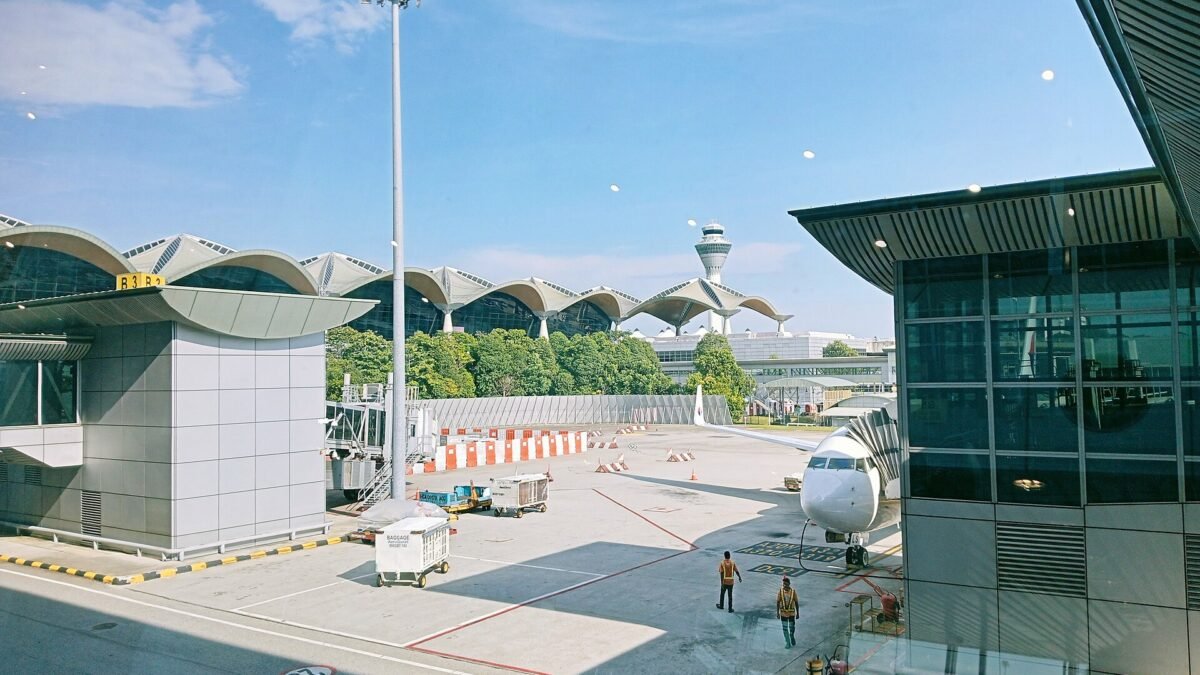
Malaysia Airports operates a large network of Malaysian airports, including KLIA. In 1H 2026 its domestic network handled 51 million passenger movements, with international demand growing while domestic traffic softened. Airport operators manage terminals and commercial infrastructure, while route growth depends on airline decisions and regulatory approvals.
CAAM is the regulator
The Civil Aviation Authority of Malaysia is the statutory body responsible for civil-aviation regulation. Its mandate covers technical, safety, security and economic regulation as well as licensing, certification and air-navigation services. From 1 August 2025, regulatory functions previously performed by MAVCOM were consolidated under CAAM.
Traffic rights and licences shape competition
Scheduled and non-scheduled air services, route rights, airport operator licensing and ground handling are regulated activities. That means a new route is not purely a marketing decision: commercial opportunity and regulatory permissions both matter.
Aviation connects to the wider economy
Air travel supports tourism, trade in time-sensitive goods, business travel and regional connectivity. Secondary airports can also influence local tourism and investment by improving access.
What to watch next
Key indicators include passenger movements, airline capacity, route launches, load factors, aviation fuel costs, airport upgrades and regulatory changes. The industry is healthiest when safety, consumer protection, commercial viability and connectivity improve together.