
The industrial base is already large
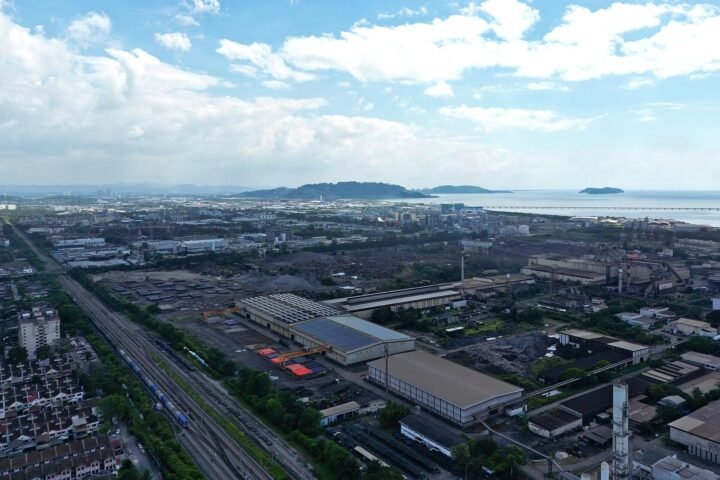
Manufacturing sales exceeded RM1.20 trillion in the first seven months of 2026, according to DOSM, while MIDA recorded RM51.3 billion in approved manufacturing investments in 1H 2026. E&E remains the largest high-technology engine, but machinery, chemicals, transport equipment and food manufacturing also contribute.
The policy goal is changing
NIMP 2030 emphasises economic complexity, digitalisation, net-zero transition and economic security. The New Incentive Framework reinforces this by linking incentives to measurable outcomes such as high-value jobs, local supply chains and sustainability.
Automation will spread beyond large multinationals
Robotics, machine vision, industrial software, sensors and AI can improve productivity and quality. The bigger opportunity is getting these tools into local mid-sized manufacturers and suppliers, not only flagship plants.
Equipment and engineering can become export industries
Companies that build specialised machinery, automation systems, precision components and engineering services can sell into semiconductor, medical, automotive and other advanced sectors. This creates value outside final-product factories.
Talent and wages are the proof point
An advanced manufacturing economy should create more engineers, technicians and specialists with stronger wage progression. If capital investment rises without productivity and wage improvement, the transformation is incomplete.
What is next
Malaysia's next manufacturing phase will be judged by productivity, export complexity, technology ownership, supplier upgrading and sustainability. The country has the industrial base; the challenge is turning more factories into centres of engineering, design and globally competitive technology.