
A national target with a broad definition
Malaysia Digital 2030 sets a target for the digital economy to contribute 30% of GDP by 2030 and frames the country's next phase around becoming an inclusive and sustainable AI nation. That ambition reaches across government, industry and society rather than treating “digital” as one narrow sector.
Digital infrastructure
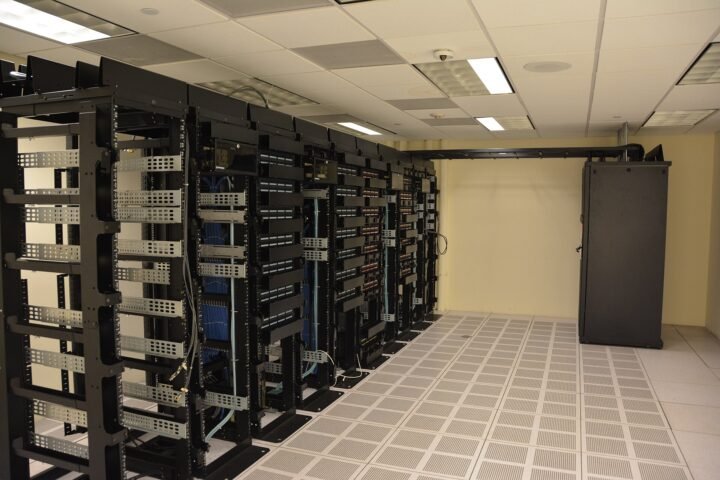
Data centres, cloud computing, fibre, subsea connectivity and sovereign computing capacity form the physical layer. The large volume of approved data-centre investment shows how important this layer has become.
Digital finance
Malaysia's financial system now includes licensed digital banks, e-money issuers, merchant acquirers and interoperable payment infrastructure. Bank Negara Malaysia continues to update policy requirements for payment systems and technology risk, illustrating how digital finance combines innovation with regulation.
AI and software
AI adoption is expanding into business operations, healthcare, government services, agriculture and industrial automation. The National AI Office and Malaysia Digital 2030 provide policy coordination, while local and multinational firms build software, data and AI services.
Traditional industries are becoming digital industries
Manufacturing uses automation, sensors and analytics; healthcare is moving toward connected devices and digital health; logistics relies on platforms and data; banks operate through mobile channels; and retailers blend physical and digital commerce. The digital economy is therefore partly about standalone technology companies and partly about productivity gains in established sectors.
What to watch next
The strongest measure of progress will be local productivity, higher-value jobs, Malaysian technology products, exportable digital services and broad adoption by SMEs – not only headline investment. A digital economy becomes durable when technology changes how the wider economy produces and competes.